
Philip LaRocco,
Vice President of Human Resources
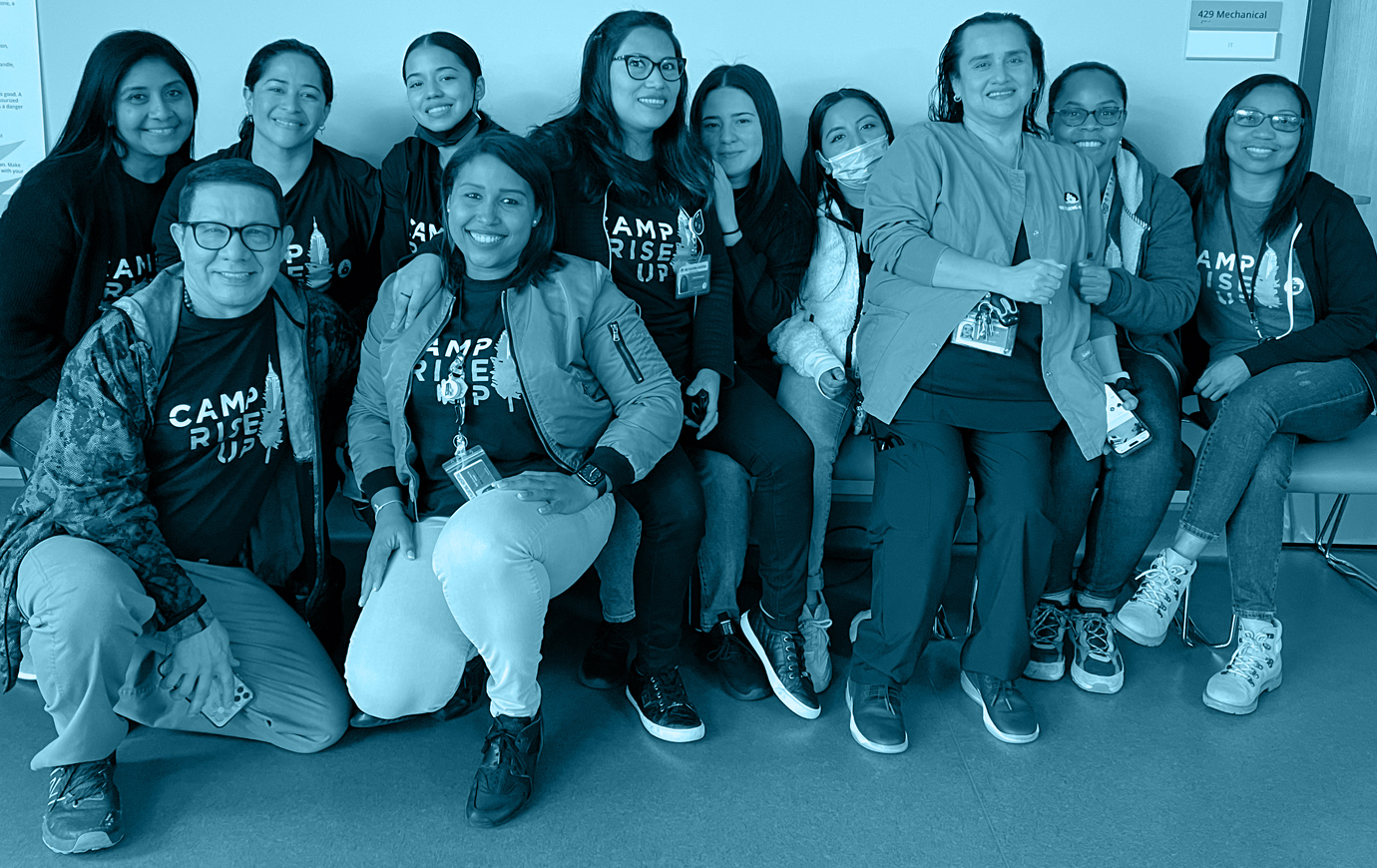
“Rather than just stick them with someone to shadow or have them sit there and watch, you need to orient that person on how you want things in the department, how it should be.” He said when this is done properly, it has a lasting effect. Employees have reported feeling like “I am part of something. I’m not just a number or a cog in the wheel,” he said. Additionally, the long tenure and stability of the top management has helped employees at all levels feel comfortable in their own positions, leading to opportunities for growth in the organization. A new set of videos describing the work of The Floating Hospital for orientation, along with some aimed at recruitment, is also helping, he said. Without the videos, which were completed about a year ago, employees “came in and we were depending on others to tell them who we are and what we do. The videos are a wonderful way to get that across. I think it further strengthens everyone’s understanding of what we actually do and the impact we’re having on our patients lives.” The orientation videos are intended to encourage solidarity through a shared mission to serve patients optimally. To understand and respect each other, including respect of our cultural differences, is to extend that care and understanding to our patient base, who come from diverse backgrounds and often face challenging circumstances. He credits those factors and the hospital’s generous benefits package as key to attracting talent in a competitive field. This year’s retention rate has already shown improvement from the first quarter last year. There is also a camaraderie that is infectious among the staff, fostered by shared meals such as a Thanksgiving potluck, held the Thursday before the holiday, where staff members contribute a dish from their heritage. “And it is huge. We never think we’re going to have enough and we always have a ton of food leftover.” The clinic closes after a half day at all sites, and everyone comes around 1 or 2pm. “We eat, we play some games, I think we did karaoke last year.” The extra food either goes home with the employees or is served for lunch the following day. He said when Granahan or Chief Medical Officer Shani Andre are there, they will speak. “It’s really just a nice day to get everyone in one room, not worry about work, and celebrate each other.” The significance of the long-running event to the staff (who volunteer to decorate, devise the games, set up and clean up) became very apparent during Covid when it was cancelled for a couple of years. “Everyone understood, but we were disappointed at the same time.”
The concept of breaking bread with colleagues has carried over into the long-term goals of the hospital to provide a meal for its employees at the main clinic once a day. “Occasionally we will have some sort of a luncheon or a breakfast.” According to LaRocco, Granahan’s vision for the new building “was to have a working cafeteria for our staff to come and eat at no cost to them.” At the old building, everyone was on one floor and interacted all day. Now that there are multiple floors, they are not mingling as much as they would like.
He wants to hire someone to make these meals, “maybe we’ll do lunch two days a week, breakfast three days a week… It’s my goal to get that in place as soon as possible.” Although he and Sreeta Karl-Quintana, who is the hospital’s director of clinic operations, have supplied meals previously at intermittent intervals, “we want to make sure we have someone who can do it successfully on a regular daily basis.”
Another staff bonding initiative is the Welcome Committee, which introduces new staff two or three times year with a welcome package and a game. Recently, they held a music trivia contest during lunch.
But the underlying factor that promotes the strongest connective tissue is that the “majority of our staff are mission driven. For them, it’s more than a job. It’s ‘I’m coming here because I want to help. I want to treat these patients. I want to do some good.’ ”