
Like America itself, The Floating Hospital’s 1940s experiences were shaped by the Great Depression being suddenly transformed into a full-on war effort, marked by both expansion and continued deprivation. After the war ended In 1945, a new optimism and economic boom took over, even as a nation mourned its fallen, and not everyone who came home could be made whole again.
From our founding at the dawn of the Gilded Age, we have always operated within these kinds of dichotomies, tending to the needs of the many living outside the great wealth that has branded our nation as a land of plenty.
On June 10, we will celebrate the 1940s and the popularity of supper clubs during this time with “Anchor Hope,” our summer gala, at the Edison Ballroom (Tickets available here). While we frolic with cocktails, dinner and live music performed by Duke Ellington Legacy, we will support families who have fled domestic violence, providing them with care and healing, as well as warmth, dignity and hope for the future.
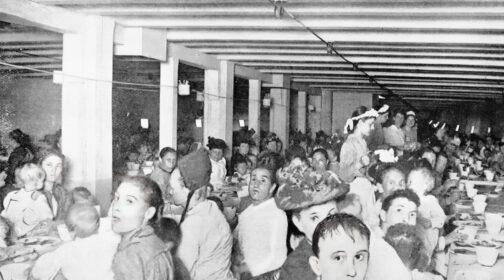
But for now, let’s sail back to that era and see what we were up to during the years before, during, and after the Second World War. Back then, we ran summer boat trips around New York City where we delivered medical and dental care while providing meals, baths, and entertainment. Our land-based hospital in Staten Island was open year-round, but reserved for the sickest children.
The leadup
Judging by our archives, 1939 was a portentous year for The Floating Hospital. In July, an explosion aboard the boat was averted after our tanks were accidentally filled with 450 gallons of contaminated oil. The oil company alerted the NYPD to the situation. “Within a few minutes a police plane was on it’s way from Floyd Bennett Field, squad cars were speeding along the West Side Highway, and fire boats and police launches were rushing up the Hudson,” according to the Brooklyn Eagle.
The Daily News said that our boat (the Lloyd I. Seaman at the time) was intercepted at West 78th Street en route to Yonkers. It was towed back to its dock on East 22nd Street where “pumps were waiting to empty the boat of its polluted oil.” At that time, we served around 800 to 1,000 children and their parents a day, and the diesel fueled our lights and pumps. As the Eagle noted, “nothing would have been more tragic than an accident to The Floating Hospital, which on its daily cruises brings to hundreds of under-privileged children a taste of paradise.”
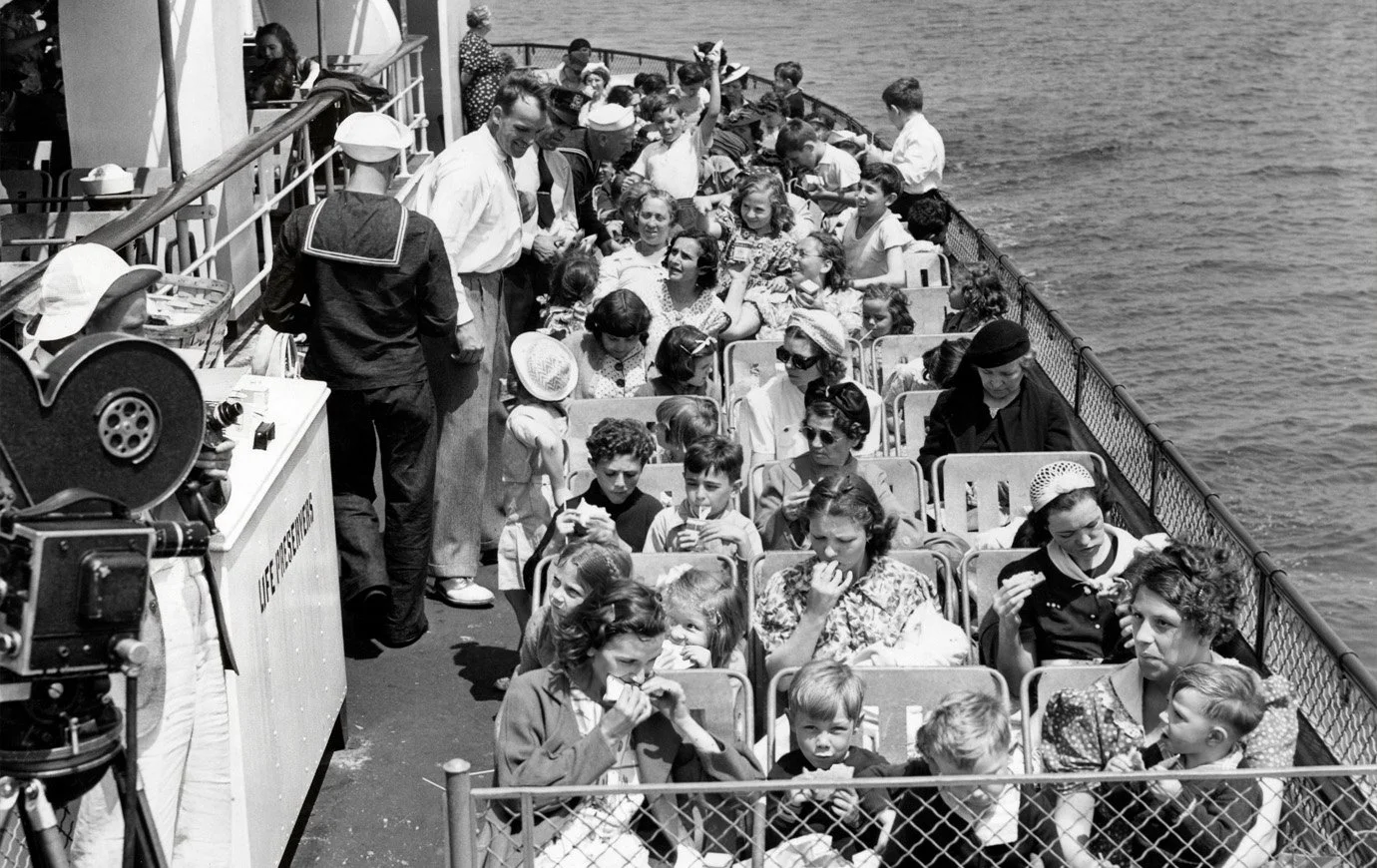
In August, British Pathé, a newsreel producer, was taking footage of some of the patients enjoying milk, fruit and sandwiches on deck. The film, including the tenement conditions that some of these passengers lived in, lacks the narration a completed newsreel would have. This is likely because Britain declared war on Germany on September 3, and their news focus moved to more immediate concerns.
The world at war
It would take our country two more years to officially declare war. The summer of 1941 was the last before the bombing of Pearl Harbor, when we still had free rein over the city’s waters. By the following summer, only U.S. Navy vessels and freighters were allowed in New York Harbor. Our travels were limited to the Hudson River, where we received special permission to sail and were the only civilian ship allowed.
That summer, while radio celebrity Margaret Macdonald poured water for thirsty children as a volunteer, those onboard watched a tugboat move a load of partially built planes headed for Britain. In June, the German Railroads Information Office, which was located in a house once owned by our benefactor Helen Juilliard at 11 West 57th Street, was ordered out of the U.S., after being found to be “primarily a Nazi propaganda outlet,” by the House Special Committee to Investigate Un-American Activities.
At this point, we were in a “limited national emergency,” which allowed for enhanced military recruitment. Many of the doctors, nurses and crew members who served on our ship left to join the armed services. In August of 1941, the Chief Engineer Sylvester J. Kennedy, who had worked on our ship for three years, enlisted in the Naval Reserve. Given his training, he was immediately assigned to active duty and received submarine training in New London, Conn. His sub ended up in the Pacific, sinking two Japanese sub-chasers and damaging a third near the Aleutian Islands. It was declared missing in October 1942 with all 65 crew members lost. The wreckage was recovered in 2008.
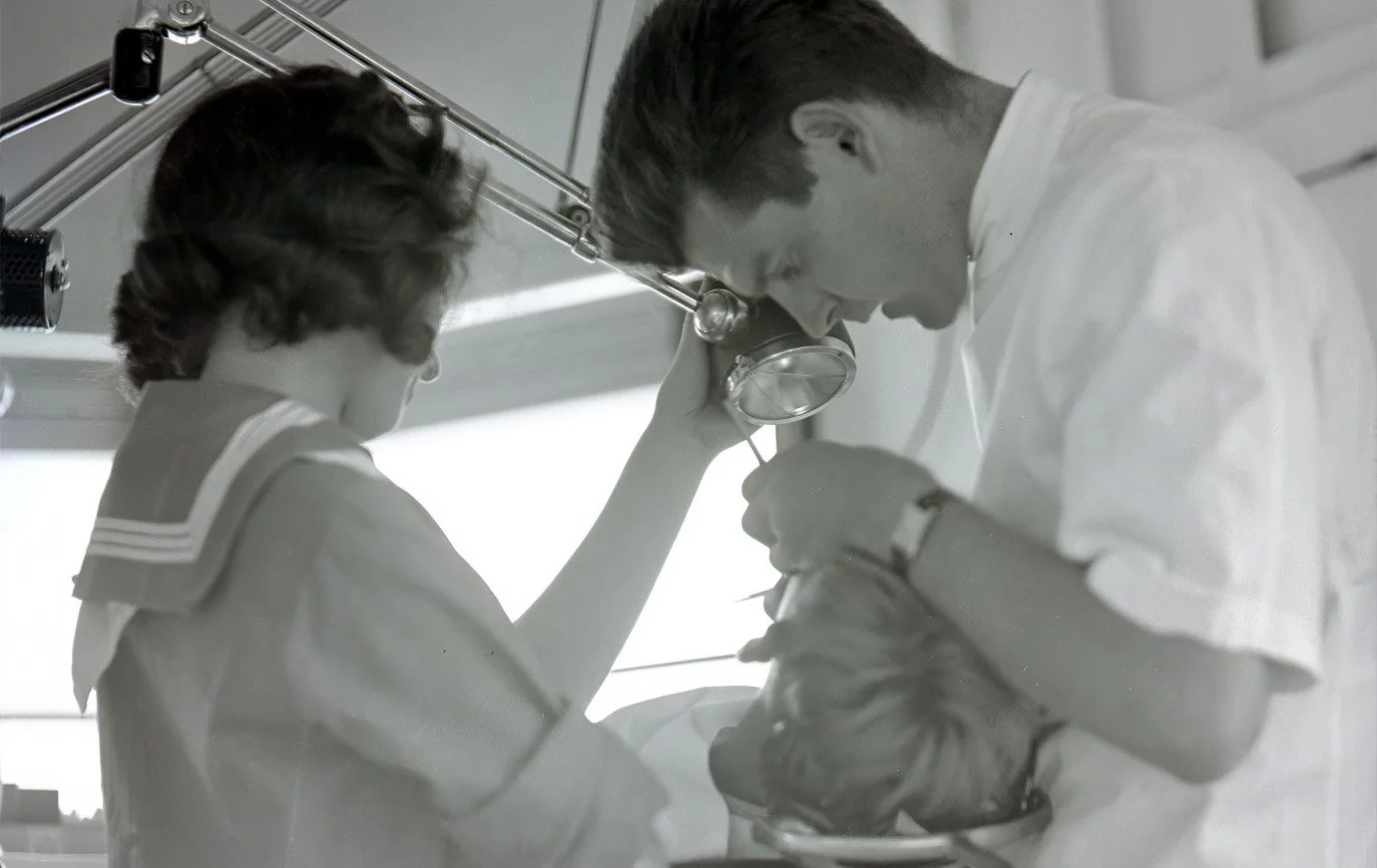
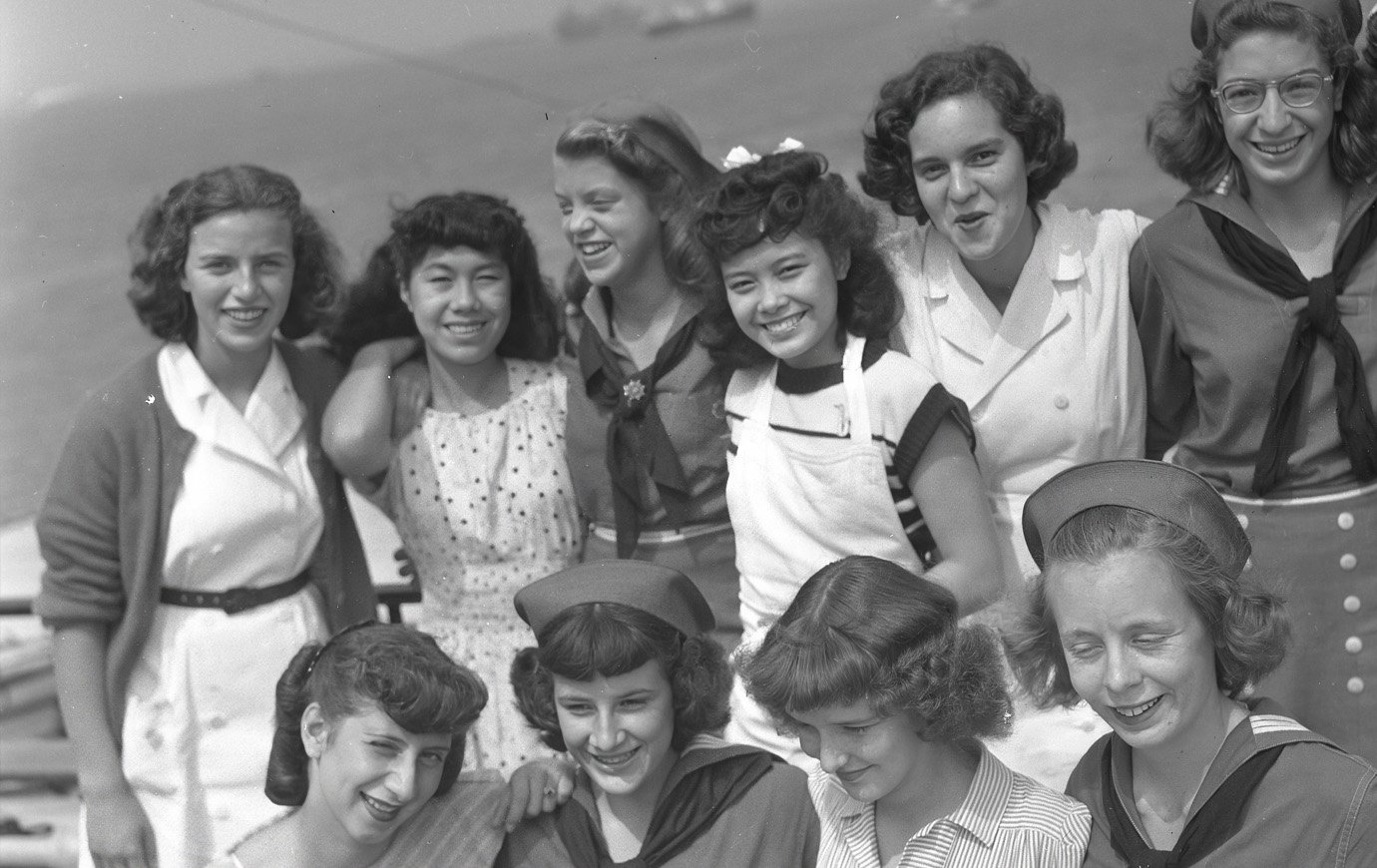
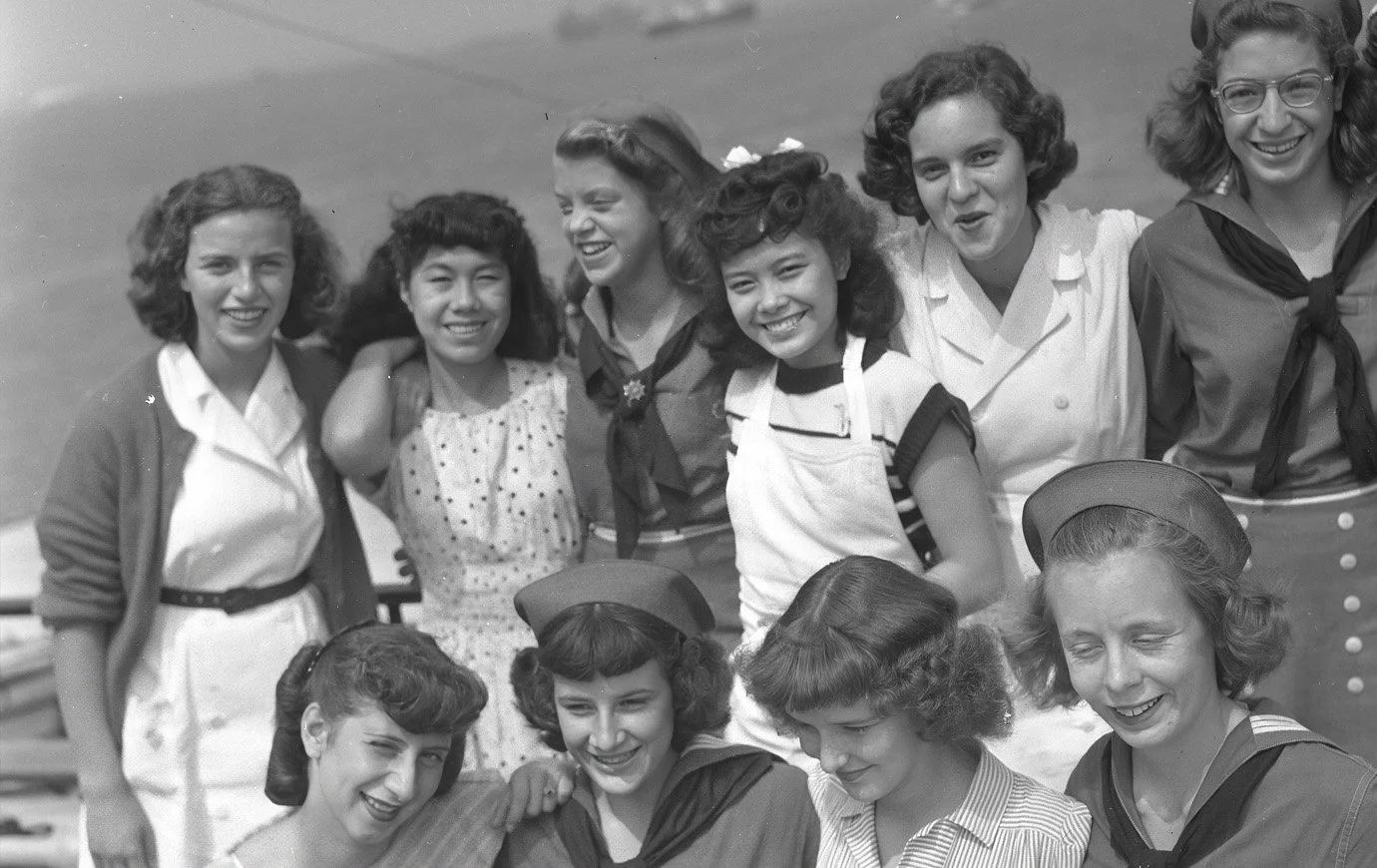
Our Seaside Hospital in Staten Island was taken over by the federal government in the 1940s for military use, never to return to us, but our ship sailed throughout the war period. The years were challenging all over. Food and fuel were more expensive and many passengers were wary of going on the water. With staff leaving to join the war effort, we received support from groups such as the Girl Scout Mariners, who helped the doctors, dentists and nurses that remained. For six days a week over several weeks, they would help with ropes, carry kids onboard, supervise crafts and make sandwiches, in addition to assisting staff with whatever they could.
Likely our most perilous wartime journey occurred in 1943 when a one year old fell overboard. Hollis S. Spotts, our general agent, was first to respond, diving into the water to rescue the child while struggling in a strong tide. Both were pulled out safely with no injury. The father, who witnessed the episode from the dock, expressed his gratitude by giving Spotts an inscribed watch to replace the one he lost in the rescue. The ship also had a towed rowboat to rescue any one who fell overboard, but that is the only known incident.
The Post-War period
In 1945, some of our passengers had a chance to see the Queen Elizabeth ocean liner returning 15,000 troops to our shores at a time, making four trans-Atlantic trips during our summer season. Newspapers reported that “as the huge craft made its way up the harbor, scores of vessel [ours included] saluted with blasts of their whistles and the Queen answered with thunderous blasts.” Charles Crofton, who manages our archives, noted that “the kids loved to wave at the transports. These guys were heroes.” He added, “the Hospital was witness to the history going on all around New York Harbor, which was a very, very busy place back in the old days.” The tug boat captains even referred to it as “the sixth borough.”
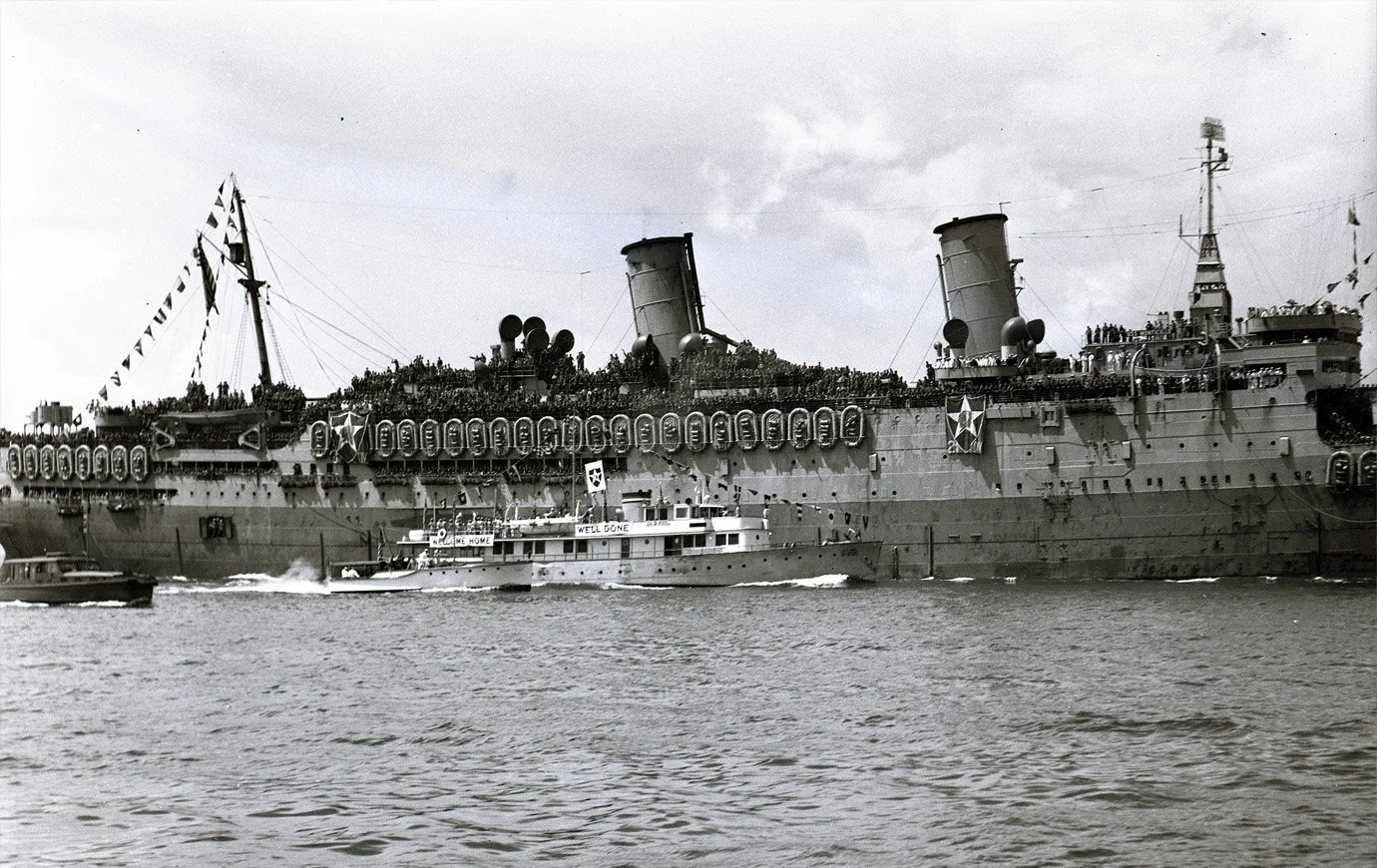
The Marine Panther was another vessel returning troops that someone on The Floating Hospital captured upon its arrival into the harbor. Onboard was the 2nd infantry division, plus one: 12-year-old Joseph Paremba from Poland. He had been smuggled onboard in a duffle bag, dressed in a cut-down G.I. uniform and given $1,000 cash by the soldiers. Their division had liberated the labor camp where Paremba was imprisoned and allowed him to join them when they learned he was an orphan. He was eventually adopted by one of the soldiers and went to live in Oklahoma. “When our kids are waving at the transport ship, that 12 year old was waving back,” said Crofton.
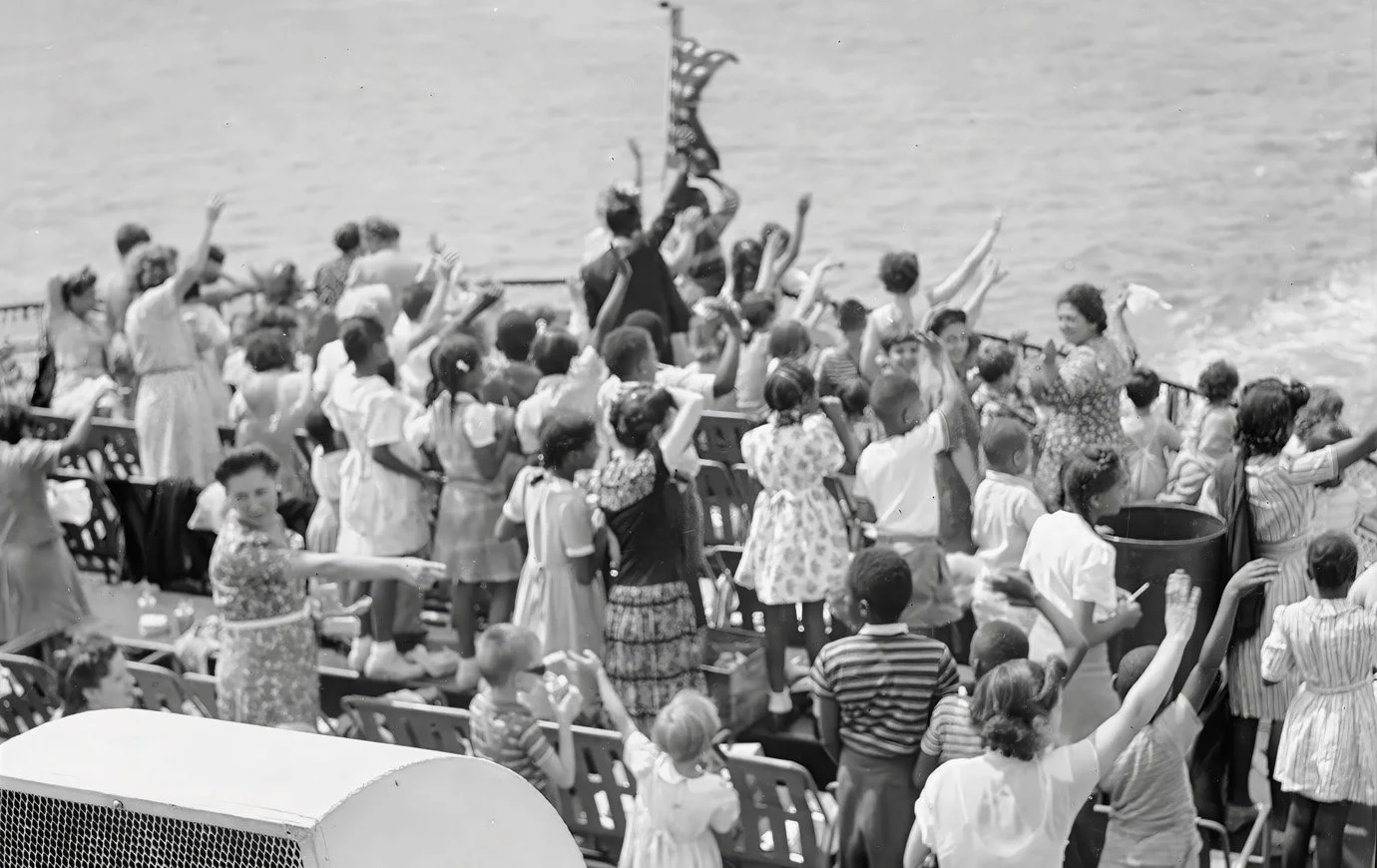
In the same year, we expanded our bus service to transport children with more severe physical and health challenges. As that year’s annual report noted, “one day on the ship for such a child is worth more than a hundred” for otherwise healthy children. The families made repeated trips, and we expanded the service to other organizations for a day devoted just to them, because many had never seen a movie or had the “happiness of singing with a group.” One social worker observed, “No parents’ appreciation and gratitude, however heartfelt, could be half as fervent as the trembling happiness shining in these children’s eyes.”
Other services expanded as well, including the addition of a dental hygienist to the dental staff and pre-camp check-ups for participating organizations during the ship’s pre-season program.
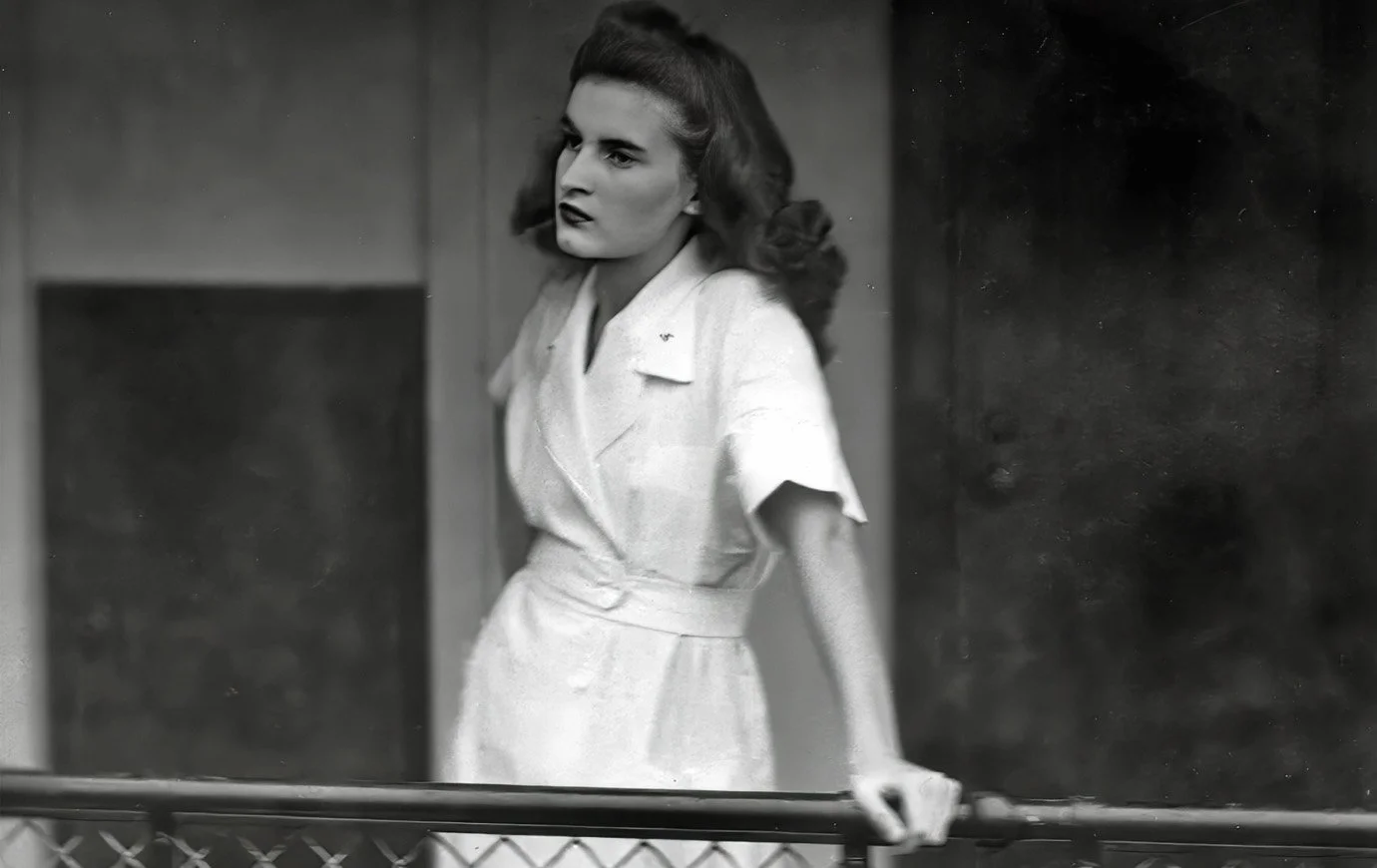
Captured in a 1946 photo was one of the ship’s nurses, Elizabeth Kathryn McCarthy, the fiancée of a Brooklyn postal worker who joined the army at the beginning of the war. He ended up in Europe as part of a reconnaissance squadron scouting enemy positions ahead of the arrival of other units fighting in France, Belgium, Luxembourg, Germany and Austria. He earned several medals before being killed in action in 1945 during a final push toward Munich. McCarthy remained close with his family and ended up marrying her fiancé’s brother in 1948.
By 1950, the hospital recorded its 3 millionth passenger. In addition to an escape from the city heat and a closeup view of the Statue of Liberty—a rare opportunity for those without means—the kids loved the comic books, group games, crafts, movies and singalongs offered on the boat back then.
“Believe me, for us it’s more than a boat ride,” one mother told a staff member during this time. “It’s like going to heaven for a while.” Those boat rides continued through the end of the 20th century, giving a taste of heaven to millions more passengers, and their spirit carries on to this day in our land-based clinics.
Tickets for our Anchor Hope summer benefit can still be purchased by using the button below. We’d love to see you there.